AI Augmented Brushing For Special Needs

Disorder of neural development contributes to the lack of necessary manual dexterity. These lack of fine motor skills adds up to the difficulties of care givers and accounts for poor oral health among children with special needs.

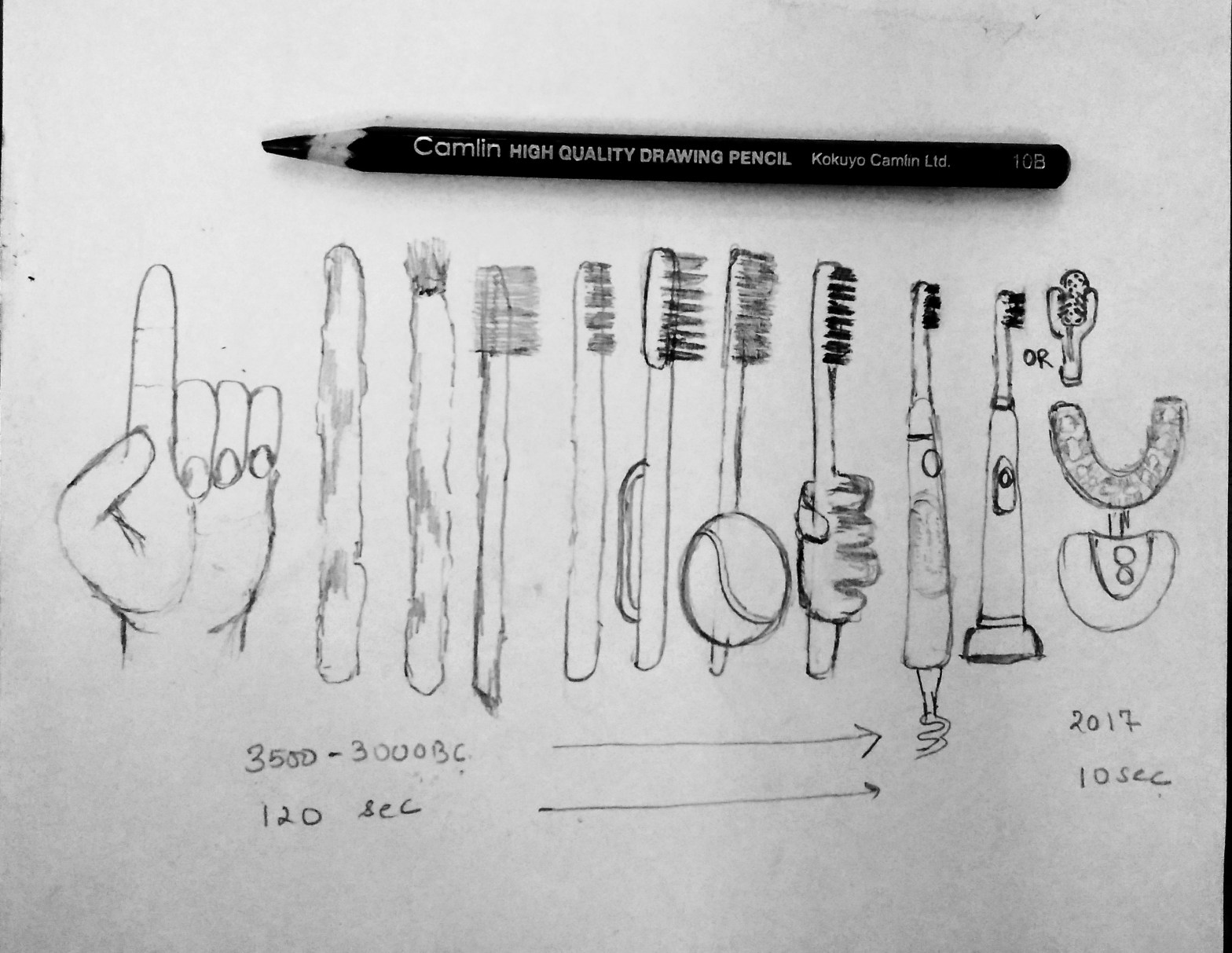
Regular manual tooth brush depend on the user’s controlled movements but the presence of physical and cognitive disabilities among special needs can create difficulties in both holding as well as manipulating a tooth brush. Powered toothbrush on the other hand provide controlled pressure and movement along with time assisted technology.

These electronic tooth brush provide vibration and oscillation or mixed movement that effectively removes plaque and inhibit certain harmful bacteria affecting gingival health. Sonic vibration have been studied to stimulate salivary flow in xerostomia (including those induced by medication).

Different head sizes are powered to accomplished cleaning from soft, medium to hard brushing among different age group. Hard bristles are mostly recommended to patient with special needs, as they allow shorter brushing time and less application of pressure during brushing. Brush head in the powered brushes are compatible with better grasping efficiency among children with special needs.

However brushing with powered tooth brush has been associated to trigger the external stimulus among children with reflex epilepsy and therefore there use is warranted in such patient.

An element of safety puts these powered toothbrush at par with the manual toothbrush as the bristles are attached securely to the head, unlike filaments and even parts of manual brush which are reported to cause gingival and intra oral injuries following trauma.

Researchers conclude that powered tooth brush can remove 60% more plaque. As suggested by Cochrane study where powered tooth brush were compared to manual tooth brush regarding plaque removal, health of gingiva, staining and calculus, only powered toothbrush with rotation -oscillation action provided advantage.

The Artificial Intelligence (AI) assisted technology is the next step to the future of brushing. This basically requires you to guide along the tooth surface with 3D Mouth Mapping in Real time. The sensor in the brushes analyses brushing in real time and monitor progress through a mobile application and even allows you to cover those underbrush surfaces commonly skipped routinely. The assisted device will not only provide with different brushing techniques, pressure combination on various tooth surface but will also detect the change in oral environment and plaque accumulation,notifying you via an alarm to take steps for a better oral hygiene.

Neglected Injuries of Special Needs.

Children with deficiency in motor,verbal,physical,mental, compromised adaptability, and behavior development are evidently more susceptible to injury compared to the able counterparts.Limitation and impairments potentiates risk, aggravates secondary conditions and accelerates disease processes.

Global estimates accounts for 12 million non fatal injuries which occur at home of which children with disabilities are four times more prone.Over 80 percent of children with disability live in developing countries.India alone contribute to 26.8 million disable people according to 2011 National Census.Among those 2.2 percent effected, 0.41 are visually impaired,0.42 hearing,0.45 movement,0.12 mental retardation and 0.17 affected by multiple disabilities were recorded.

Characteristically most of these injuries depends on various factors like age,time,cause,type,body part,location and activity.For example,fall was the number one cause related to stage of learning to walk,poisoning due to to mouth exploratory behavior was a significant cause of injury among children age 1-3 years. Burns from hot food or liquids was commonly observed within 12-18 months.Home was the most common critical factor accounting to 50 percent of pediatric injuries among children with disabilities. Hazard of open fire,unintentional cuts and curbs,unattended pointy object like pencil or tooth brush,unlocked fireworks,animal bites,slippery floor were the major contributing factor. Worth mentioning are the self inflicted injuries among children with mental retardation,cerebral palsy, including repetitive and compulsive behavior among Autism spectrum disorder.These may include rhythmic head rubbing to severe head banging in combination with biting,scratching or hair pulling.Most of the dental trauma includes Ellis class 1 fracture(enamel only)with 46-48 percent prevalence and may also cause total avulsion (loss of tooth) in children with mental disability.

Despite the rising interest in children with disability, growing economic and family burden,medical cost remains a single most important barrier to seek health services.Paucity of the research in relation to health seeking behavior and frequency needs indexing. Higher experiences of poor oral health and alarming numbers of unattended trauma to the teeth implicates financial burden associated with medical care and assistive devices,and require constant need for personal support. At present most of these special needs assistance center and schools in rural and urban division are run by voluntary groups or non government organization only.

Based on the rising cost and impending risk, prevention should be a primary concern. Enabling parents to recognize that trauma as an inevitable possibility,appropriate home measure should be planned and outlined when children with disabilities are provided medical services.Impact of dental trauma on speech and nutrition,sharp edges following tooth fractures, sensitivity due to dentin exposure, increase susceptibility to caries and loss of tooth should be emphasized in order to decrease incidence of injury.

Dedicated network of pediatrician, pediatric dentist,nurses,staff and volunteers with adequate training is a suggested long term approach since every child of disability requires specific care for them.It is essential to recognize different types of disabilities and their limitation,respecting their autonomy and family consent during specific management.Early identification,repeated conditioning,positive expression through specialized intervention with judicious followup should aim to avoid complex procedure under general anesthesia.

Mental Health in Children During COVID

The expression of pleasure and displeasure contributes to the primal fear of an infant. These emotions are then exemplified as joy, anger, sadness, disgust, and fear by the end of six months. Needless to say, most of these emotions have a psychological impact on the developing brain if children and adolescent are exposed to negative environment for long. With the current reporting in times of COVID 19 crisis it was found nearly 99% of world children are under home quarantine due to inevitable lockdown imposed on the families. While 60 % are living partial to full lockdown, it is noticeably worthwhile that almost 1.5 billion children ae out of school.

“Fear of Unknown” one of the most significant primal fear has left children exposed to heightened sense of insecurities where their safety is challenged and has left them with a potentially exacerbating effects on their cognitive development. If the recent statistic is to be considered China reported fourfold increase in post traumatic stress among children in first four months after the epidemic started since December ,2019.

Parents and families are adapting to the new norms of post COVID life after experiencing a sudden shock wave of immediate lockdown and manifold increase in death at a global scale. The infectivity of the virus has washed down streets of its people and life has come to stand still. As much as it has disrupted a normal individual life, it has markedly affected every aspect of children health, development, learning and behavior.

Lockdown Situation due to COVID-19 Pandemic

Following the recent studies in the journal of psychological sciences it was mentioned that emotions are contagious and babies not only pick up their mothers stress but also tend to indulge in ‘social referencing’ with other’s emotion as well, in return they show physiological changes of their own corresponding to their caretakers stress. COVID related anxiety was reported to spike among the pregnant mothers along with stress associated due to pregnancy but the only positive findings were only minor reporting of COVID positive affected children from COVID positive mothers. Infact children was one group to be reportedly spared from the severity of Covid infections and escaped only with milder symptoms like that of flu. In what has turn out to be the worst nightmare for parents, the recent reporting of Multi System Inflammatory Syndrome in children (MIS-C)above 5 years have left experts and researchers fluttered in desperation. As many as 73 children in New York, and several other reporting in Chicago and New Jersey manifested similar symptoms like that of Kawasaki and Toxic shock syndrome. Toddlers and primary school aged are the worst affected with most of them under the age group of 3-14 years.Children who were separated from their caregivers, including children infected with severe acute respiratory syndrome coronavirus 2 (SARS-CoV-2), and quarantined in  hospitals and children whose caregivers are infected with SARS-CoV-2 or who have died from the disease and are under huge psychological impact .According to the researchers in the university of Beth significant duration of loneliness among young people tends to precipitate depression three times more often with the impact lasting as long as 9years.In another study from BMJ reflected higher suicide rates among young people under severe mental distress. Suicides remains the second leading cause of death in young population age (15-24). At least one in five youth between (9-17 years) are currently fighting a diagnosable mental disorder, and one in 10 have reported significant disorder leading to impairments following anxiety, attention deficit, behavior disorder to name a few.

Impact of Online Learning during Lockdown Situation

Bilal and coauthors studied the impact of Covid 19 among the population and revealed that 53.3 expected social problem following lockdown whereas 27.5 were on contrary satisfied with the present actions of the government regarding lockdown and home quarantine as family are more in touch and provide a positive environment through reinforcement. Most of them were appreciative of the decision of promoting children to next grades thereby relieving the parental and child stress at both ends; they also emphasized on the difficulties in time distribution among parents and children on sharing internet and devices during online schooling and work from home scenario. Increase screen time and internet addiction was there major concerns affecting child eyesight and burnout. Home schooling on one hand has been associated with additional benefits to mental health for children victim of bullying, parents on the other hand expressed positively with fewer morning rush and parenteral stress imposed on children by their time limitation. This would mean longer sleep hours, more flexible time schedules, less burnout as children could frequently take break, less pressure and lesser comparison with fellow colleagues. Children are now able to spend more time with parents and take parts in activities together. This is particularly more important in the era of makeshifts and living at home like a tourist on a night stay.

Parents on the other hand can set in the new norms and making children understand the pandemic in a playful way through comic, books, drawing and representation instead of subjecting them to loads of negativity broadcasted on media.

Physical health is a major factor in mental and cognitive development and children should be mobilized within the household, performing errands to keep them engaged actively.

Decision makers should consider providing free, accessible psychiatry teleservices for parents and children under any mental stress maintaining a positive, caring, accepting and nonjudgmental professional attitudes toward people with under any anxiety recognising the red flags among anxious children and reference in in case of further intervention required. Paediatrician and paediatric dentist need to be trained regarding this on using rapid screening tools for mental health and reaching out to remote areas with lower socioeconomic status. Health advisory needs to include psychological evaluation as an important sector under ‘Ayushman Bharat’ for managing people with mental stress.

When children spend more time conversing with adults it gives them more space and support to explore each realm of their existence under all aspects of emotional, mental, cognitive and philosophical nature. Children are better able to vocalize their needs among familiar environment and parents being intimately involved in their learning are better aware of their child feelings and could assist better with their struggles.

FIRST DRINK BEFORE FIRST BIRTHDAY

Unborn slaughter (Infanticide) seeks no repentance.More so subjecting an unborn to one’s addiction is still a greater sin that has no absolution. Fetus is very sensitive to substance abuse due to its underdeveloped metabolism and inability to eliminate them.As a results of this, substances continue to magnify and concentrate to toxic level leading to permanent damage of developing fetus. Adding to the devastating effects are the withdrawal symptoms for the new born child.

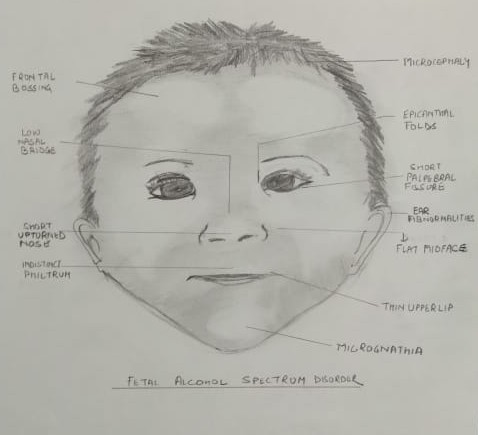
Fetal Alcoholic Syndrome(FAS) or Fetal Alcoholic Spectrum Disorder(FASD) is caused by the mother’s consumption of alcohol during pregnancy.There is no safe dose of alcohol consumption and facial anomalies associated during pregnancy is directly proportional to type of substance, time of consumption and number of time consumed.

Prevalence of FASD is 10 per 1000 in USA. Almost 68-89 per 1000 in South Africa .WHO says that 1 per 100 people has fetal alcohol spectrum disorder.Only about 10 percent of children with FASD show visible sign. Consumption of alcohol among Indian woman accounts for 5.8 percent in general population. The prevalence is almost 28-48 percent for higher risk group namely woman of low socioeconomic status, tribal woman, commercial sex workers and those belonging to upper rich class.

Lemoine and his associates in 1950 successfully linked fetal growth deficiency and mental retardation to maternal use.The results on the embryo is disruptive with a range of teratogenic and neurotoxic effects.The effects in the first week of embryogenesis are mainly on the craniofacial and skeletal midline and has a direct bearing on the mesodermal differentiation of periocular, nasal and odontogenesis. Last week of embryogenesis shows apoptosis of neurons, agenesis of corpus callosum in brain ,glial migration and diminished white matter causing disfunction of nervous system, cognitive deficit, attention deficit(48% with ADHD), executive functioning deficit, psychomotor disturbances affecting behaviour and learning ,language and speech primarily.

Cardiovascular, skeletal and cutaneous abnormalities are common.Congenital atrial and ventricular valve defect; renal and genital infection; peripheral and central hearing disorder. Cutaneous manifestation includes myopia, strabismus, telecanthus(increase distance between eyes) and microphthalmia(one or both of the eyeballs small), short palpebral fissure(narrow opening of eyelids),short upturned nose, accentuated saddle nose, long thin upper lip, thin vermilion border, lack of cupid’s bow and smooth philtrum, clinodactyly(curving of fingers), camptodactyly(one or more fingers permanently bent) small hands with characteristic palmer creases(hockey stick crease).

Children with FAS present with low weight, small size at birth ,sutural growth deficiency leading to microcephaly(small head), frontal bossing, maxilla retrusion, micrognathia(small lower jaw), maxillary hypoplasia(small upper jaw) and collapsed midface. Hypertrophy of adenoids, sleep apnoea and mouth breathing due to low tongue posture and vestibular dysfunction.High rate of non nutritive sucking causing inclination of labial incisor, counter clockwise tilting of palatal plane and characteristic large gonial angle.Asymmetry of upper and middle third of craniofacial complex ,high prevalence of TMJ disorder, dentofacial anomalies with crowding of incisors, diastema, maxillary and mandible overjets and openbites. Amelogenesis (developmental defect of enamel) is severely affected with enamel opacities and enamel hypoplasia (characteristic biomarker of intrauterine disturbance in first year of life).

Orthodontic intervention is difficult due to hyperactive behaviour and non compliance to removable appliance. Enamel hypoplasia triggers plaque accumulation, increase gingival and periodontal diseases, increases decay rate and unattended decay leads to chronic infection and dentoalveolar abscess which becomes difficult to manage and requires behaviour modification by a pediatric dentist.

Children of Fetal alcoholic syndrome needs to be recognised in a developing country like India where it emerges as increasing problem and steps should be taken in direction to manage important and potentially preventable oral and dental needs by initiating a national plan through trained dental staff.

COVID PLOTS WITH KAWASAKI AGAINST CHILDREN

The recent reporting of Multi System Inflammatory Syndrome in children (MIS-C)above 5 years have left experts and researchers fluttered in desperation.Has COVID mutated again to affect the kids in a much more deadly form ? The question raises the alarm in the medical fraternity at a global scale.

While doctors of America are clueless, some wants to believe it to resemble rare Kawasaki disease among kids in these areas. At a present estimate at least 3000 US children are diagnosed with Kawasaki each year.Almost 2-8 in every 100,000 are infected in UK but a recent death of 3 children in New York, one teenager and 2 of them 5 and 7 years old respectively tested positive for COVID led the researchers to speculate on the potential link of lethal corona virus.A 9-year-old boy in France who had earlier tested positive for coronavirus also died due to this particular inflammatory disease.Most of these children were younger and 32 percent were asymptomatic as told by the data provided by the China Centre of Disease Control.

As many as 73 children in New York, and several other reporting in Chicago and New Jersey manifested similar symptoms like that of Kawasaki and Toxic shock syndrome.Toddlers and primary school aged are the worst affected with most of them under the age group of 3-14 years. The condition was first reported by the doctors in Britain, Italy and Spain on April 26th, 2020 later raised the alarm in UK, France and Switzerland.Doctors are opinionated about the cause to be previous infection and delayed immune response to COVID symptoms. Selective investigation revealed that those who tested negative earlier subsequently tested positive to Covid- 19 antibodies later; this however was not confirmatory in all cases.

The doctors warned against fever with combination of either of these symptoms like abdominal pain mimicking appendicitis, confusion, diarrhoea, red eyes, rash, swollen painful extremities with red or peeling skin on the palms of the hands or soles of the feet, difficulty in breathing ,racing heart and chest pain.A continuous high grade fever and swollen blood vessels severely affected gut and major organ system following the acute immune response or cytokinin storm which makes the body go into shock at the same time.

Till date there has been no COVID related Kawasaki disease reported from India. A 13 year old girl from Warje was the youngest to die of corona virus disease in Pune this month.She was severely malnourished and already in co-morbid state affected with megaloblastic anemia and severe sepsis.The incidence rate of Kawasaki is 150 per 100,000 children below 5 years and still remain largely undiagnosed in India with the gender predilection to boys over girls in ration of 1.5 :1.

In what has turn out to be the worst nightmare for parents, the current timeline is a ticking bomb with continuous spike of cases reported globally.

William’s Elfin Have Happy Heart,This Heart Has No Cure!

The aorta is the large blood vessel that carries blood from the heart to rest of the body. Just before birth this vessels gets constricted(stenosis)and goes undetected many a times. JCP William in 1961 was the first to correlate this defect with mental retardation. Later Beuren also noticed a subsequent heart defect causing narrowing of pulmonary artery, the large blood vessels that takes blood from the right ventricle of the heart to the lungs. Beuren correlated these heart defects with peculiar oro-facial manifestation also knows as elfin facies. William Beuren Syndrome or Elfin Facies Syndrome impacted 1 in 7,500 people.

Research could pin point the congenital defect due to aberration in chromosome 7(7q11.23)elastin gene & LIM-kinase(LIMK1).A simple diagnostic blood test using fluorescent in situ hybridization(FISH)could detect this elastin deletion. As a result of the haploinsufficiency this chromosomal disease affected multi system(heart, lung, kidney, brain, eyes and ears). Morbidity is higher due to hyploplasia/coarctation of heart, stenosis of lungs, impaired renal function with hypercalcemia, increased blood urea and creatinine levels. Neurological impairment in motor integration caused decrease in their ability to cooperate and impairment of viscospatial cognition manifested as delayed motor and speech response. Ophthalmological abnormalities with lacy pattern of the eyes is other characteristic peculiar with children’s of William’s Syndrome.

These dimorphic features are classified under Belostosky Mass as short cranial base, steep angle of mandible plane, disproportion of facial height and deficient chin. Malocclusion is seen in 85% with Class 2 and 3 along with open /deep and crossbite tendency towards micrognathia. Tooth agenesis, oligodontia, microdontia, screw drivers shaped incisors, bud shaped maxillary primary molar (12%)and mandibular permanent molars(40%),pulp stones, small roots, osteosclerotic changes with laminadura of premolar roots are other common features seen. Almost 50 % have predilection to anterior dental spacing along with high arch palate.Others frequently show retained primary teeth with permanent teeth adding to discrepancy. Hypoplasia leading to severe dental decay worsened by sugary medicine and high sucrose diet. Erosion of teeth is subjected to severe and frequent vomiting episode.

Most of the children are hyperactive and almost 75-95% suffer hyperacusis( extreme sensitivity to sound).Therefore a specialist paediatric dentist can help assisting in behaviour modification and dental management by tell, show, do easing out any sudden distraction and decreasing sudden involuntary movement to reduce anxiety episodes.Mostly music is their favourite therapy and audio visual aids brings down the anxiety and enhances their confidence with the child dental specialist.

If decay is neglected it complicates dental treatment due to hypoplasia ,short roots, difficulty in root canals, extreme sensitive behaviours and mental disability.Most of them require antibiotic prophylaxis before treatment under sedation.Incremental screening and nutritional consulting is the basis of the preventive program and requires health body to support the needs of children with William Beuren Syndrome.

Be Unapologetic Yourself

From this day onwards, children with special healthcare needs will meet the world with the underlining unmet dental needs. It is a stipulated fact that children with special healthcare needs receive less preventive care, less restorative care and more extractions and they have higher rates of gingivitis and periodontal diseases. In the following and upcoming post we will know a little more of different syndrome and their associated oral and dental needs.

Hallermann Streiff Francois is a rare craniofacial congenital disorder described by Hallermann in 1948 and Streiff in 1950.Francois described seven signs to positively differentiate and characterised it as a syndrome.

This ocular mandibular disorder clinically presents with peculiar bird face, Hypoplasia of maxilla and mandible, Hypertrichosis, Hypodontia, Hypoplasia of enamel, High palate. Short stature, Skin atrophy, Sensitive to light/loud sound, small beaked nose, severe retruded chin, severe caries, supernumerary and short roots. Microphthalmia with cataracts, brachycephalic skull with frontal bossing, small upper airway with airway obstruction causing respiratory embarrassment and tracheostomy is therefore commonly planned.

Having enumerated the features it is accounted that people with Hallermann Streiff syndrome suffer from eighty percent of dental anomalies. Anterior displacement or absence of condyles is common and most of them presented with premature eruption of primary teeth associated with neonatal/natal teeth which are brittle and may be easily broken or avulsed during endotracheal procedures. Agenesis of permanent teeth and complex malocclusion leads to difficulty in oral hygiene and severe caries in such short roots further makes root canal treatment difficult.

Surgery is often necessary for the eye, head and facial features. Children are also seen regularly followed by a dentist and an orthodontist. Preventive program is essential and should be scheduled timely or every three to six months under appropriate dental or medical insurance. Fluoride prophylaxis and preventive resin restoration of permanent teeth to prevent loss of teeth is the need of the hour. Beside early diagnosis and caries assessment makes the patient less susceptible to future dental decay. But beyond this is the requirement of special needs dentistry which will be adept to handle patients in timely manner and dedicated care.

CORONA PHASE 4 VACCINE PHASE 1

HOPE is on the way!

Amid the urgency of rising anticipation to uncontrolled pandemic, The National Institute of Allergy and Infectious Diseases fast-tracked the corona vaccines into human trials almost jumping on animal trials. Limited studies in the mice show promising results, meanwhile a Seattle based volunteer received his first experimental dose on March 16.

While this is just a beginning of phase 1 trial, the vaccine must be cleared through three more stages before being available to the mass. This would mean another one year or more before it can be calibrated at a safe dose for the benefits.

Phase 0 trial (Sample size <15.)

Administration of very small dose of medication to make sure it isn’t harmful to humans before they start using it in higher doses.

 Phase 1 trial (sample size 20-100 healthy individuals not expose to the virus) (Duration 6-8 months)

Body interaction and kinetics, affect on the immune system and its ability to create immunity further. This will be observed under short term as well as long term effects. Different dosage is administered to reach the minimum dose concentration for maximum therapeutic advantage. Aim is to figure out the highest dose humans can take without serious side effect.

If an interaction goes well then it observation is focused on the immune response and its ability to create antibodies. These antibodies will act on the proteins found on novel corona virus and neutralize it in case of infection. This will also consider the duration of next therapeutic dosing to maintain the stable concentration of the antibodies in case of future infection.

Phase 2 trial (sample size >100)

(Duration 1-2 years)

Further refining: Vaccines are targeted against most susceptible individual. In this case it is mostly elderly or people with underlying co morbidity.

Phase 3 trial (sample size >300 -3000)

(Duration 1-4 years)

Focus on the benefit as well as side effect over long term. Benefits must outweigh the risk for the drugs to be considered approved for widespread use .

At present the journey of the vaccines is still longer than fast spreading COVID 19 but everyone stays cross fingers for the vaccine to pass all the phases with as little side effects  while we hope the world experiences its minimum causalities in days to come.

HACKER VS GOD

Noob COVID 19 weakening against Prokids 2020 till date.

My nephew of just seven years old plays Minecraft and shows me how to gain immunity and fight zombies was teaching me this new lingo the other day.Well,actually it helps to connect with kids on a dental chair.

In this combat against deadly Corona virus more than 80 countries have confirmed COVID 19 cases while children fared well with just fewer symptoms. Corona/COVID-19 is a respiratory disease caused by the new corona virus which seems to start with a fever, followed by a dry cough. After about a week, it leads to shortness of breath and some patients require hospital treatment. Like all other virus it spreads via droplets, such as those produced when an infected person coughs or sneezes.

From the reports on the similar Corona virus outbreaks in the past, Severe Acute Respiratory Syndrome corona virus (SARS-CoV) and Middle East respiratory syndrome corona virus (MERS-CoV) infection, children represented only a smaller percentage with fewer symptoms and were less likely to be admitted to hospital. In China, where the outbreak started, children comprise just 2.4 percent of all reported cases of COVID-19. Of those, only a 2.5 percent experienced severe symptoms, and an even 0.2 percent became critically ill. All of the newborns delivered during this period via cesarean section, tested negative for the corona virus, and there were no traces of the virus in the mother’s amniotic fluid, cord blood or breast milk. While there was a reported case of newborn diagnosed with the virus 30 hours after birth but the clinical representation was of mild symptoms only.

While this had many a scientist boggling over the possible explanation the answer may lie in the difference between children’s faster and better immune response compared to those of adults. The innate immune response or the early response of children is aimed broadly at a groups of pathogens, tends to be more active. The same may be also due to maternal immunity passed onto infants. As people age and get exposed to environmental pollutants their immune systems weakens potentially making it harder for them to fight off any specific new illnesses.

Children, who are on an average exposed to flu virus every season such as the ones that cause the common cold, may have antibodies in their bloodstream for corona viruses that offers some cross-protection for this virus. Most children with COVID-19 present with respiratory symptoms and/or a cough, which cannot be differentiated from other common viruses including influenza. The child may however, have signs of viral pneumonia in their lungs, but otherwise displayed no symptoms as was  reported in a 10 year old travelling with his family to Wuhan, China where all the members were confirmed positive.

Other researched and much talked about theory is healthy children differ markedly compared with adults in their ability to produce cytokines (IL-2, interferon-gamma, IL-4, and IL-6). The biological consequences of a “cytokine storm”, namely, immunopathogenesis caused by SARS-CoV, influenza virus, and dengue virus infections leading to immunoparalysis and subsequent death. The cytokine storm is best exemplified by severe lung infections, in which local inflammation spills over into the systemic circulation, producing systemic sepsis, as defined by persistent hypotension, hyper- or hypothermia, leukocytosis or leukopenia, and often thrombocytopenia. The kinetics of cytokine and chemokine gene expression can influence cytokine overproductionand increased mortality rate. In healthy children, cytokine production is decreased and/or altered and could result in a suboptimal immune response, which could be one of the factors to consider.

According to Annals of Translational Medicine, adults are more likely to suffer from an immune response that causes acute respiratory distress syndrome. When the immune cells do not function as they should, it can cause an inflammatory response in the lungs, leading to fluid filling the air sacs in the lung which is fatal and is in fact the main cause of death in people with corona virus. The respiratory system of children is well vascularized and have better immune response to fight infections. Most of the cases suggested viral pneumonia with no further clinical presentations. Children who were infected showed signs of a cough, nasal congestion, runny nose, diarrhea and a headache. Few had fever while many have no symptoms. The majority of children and adolescents with COVID-19 in China had mild infections and recovered in one to two weeks. Even infants, who are traditionally more susceptible to severe respiratory infections, had relatively mild infections.

Though it is unclear if the low numbers of child infections recorded is due to low exposure, lesser number infected or low representation of clinical symptoms, this does not mean that children can’t transmit the virus to others. Considering the viral load they can be carrier to more vulnerable members of the community who can get sicker.

Get your child vaccinated. The flu vaccine is safe for most children over six months of age, even those with a disability or chronic health problem. In fact, a study by the American Academy of Pediatrics found the vaccine reduces flu associated death by half for children with high-risk medical issues.

Talk to children

Where myth and misconceptions spreads like wildfire on social media among children preadolescence it is best we as parents, teachers and well-wishers take responsibility and provide age-appropriate information and reassurance.

Teach your child proper hygiene. Tell your child how important it is to wash with soap and water throughout the day. Kids should scrub their hands for about 30 seconds—about the time it takes them to sing their ABCs. Encourage your child to use their classroom’s hand sanitizer when a sink’s not available.

Children should engage in usual preventive actions to avoid infection, including cleaning hands often using soap and water or alcohol-based hand sanitizer, avoiding people who are sick, and staying up to date on vaccinations.
CHILDREN WITH SPECIAL HEALTH CARE NEEDS FALL INTO HIGH RISK CATEGORY

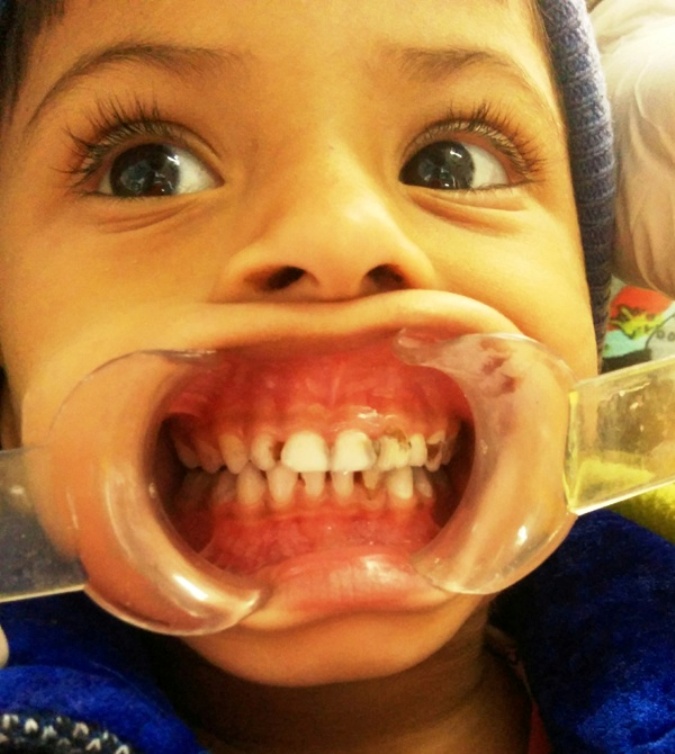
Children with special needs receive inadequate oral health care when compared to the nondisabled population.A study on Indian children with special health care needs estimated a high prevalence of caries (89.1%) as well as poor periodontal health and malocclusion. Children with special needs have a higher incidence of dental caries, periodontal disease or dental trauma as supported by the literature.The untreated oral disease in these individual adds to the neglect but more so on the existing financial burden caused by the already existing medical condition.

Uncoordinated chewing and uncoordinated tongue may not be able to adequately clean all oral surfaces leaving more food in the mouth as seen in cerebral palsy.There is difficulty in performing proper tooth brushing due to limited manual dexterity. Diet of children is mostly comprised of fermentable carbohydrates along with with carciogenic snacks and other unhealthy eating habits. Intake of medications includes high sugar base syrup which further aggravates tooth decay.Certain medication may precipitate side effects like increase dryness of mouth, gingival hyperplasia in children taking antiepileptic medications for example; phenytoin,(nifedipine) and cyclosporine. Gastroesophageal re-flux leads to disease and vomiting increasing the acidic nature of saliva that has direct deleterious effect on enamel.

Children with low birth weight, developmental delays, or certain genetic syndromes may be at increased risk for enamel hypoplasia and dental caries. Malocclusion and crowded teeth occur more often in children with abnormal muscle tone (cerebral palsy), mental retardation, and craniofacial abnormalities. Bruxism can lead to enamel loss and difficulty with chewing or tooth sensitivity. It can lead to wear on the teeth, flat tooth surfaces, headaches, pain, and gingival disease.

All children with special health care needs fall into a high risk category .Trauma to the face and mouth exhibited by self injurious behavior occurs more frequently in children with seizures, developmental delays, poor muscle coordination, cerebral palsy or severe mental retardation and abnormal protective reflexes.

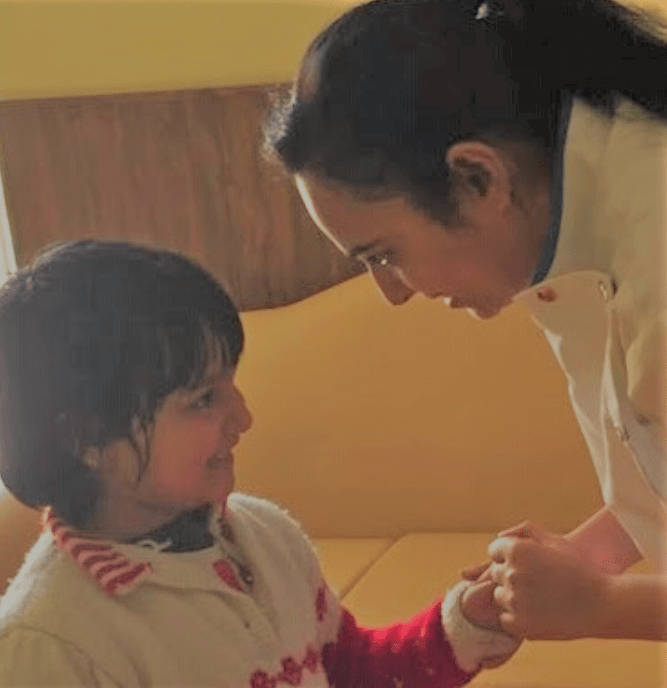
Children with special health care needs should be referred to a dentist by 1 year of age.An integrated approach with multiple specialties is best treatment consideration followed by continual care and incremental approach every three month. Access to such clinical care has to be streamlined and centralized through dispensaries or satellite clinics.

Create your own website, free on WordPress.com.Create your own website.
Start free