Dengue fever (DF) is the condition of toxic hemorrhagic viral disease transmitted by a female Ades mosquito. The incubation period of the virus after the mosquito bite is between 3-8 days. The clinical features vary according to the age of the patient and generally start as a flu-like illness .Infants and young children usually have mild to moderate symptoms like a high fever with a rash that is hard to distinguish from other viral illnesses. If left undiagnosed it may take a more severe form like Dengue Shock Syndrome or Dengue Hemorrhagic Fever having an increased mortality. Other symptoms may include pain of muscle, joint and behind the eyes along with nausea and vomiting. Currently India reported at least 50 deaths within a week in the month of August itself; These included mostly children in the northern part of the country. Going by the reports, children were more susceptible due to exposure in the playground and almost five times more likely to die during a second infection.
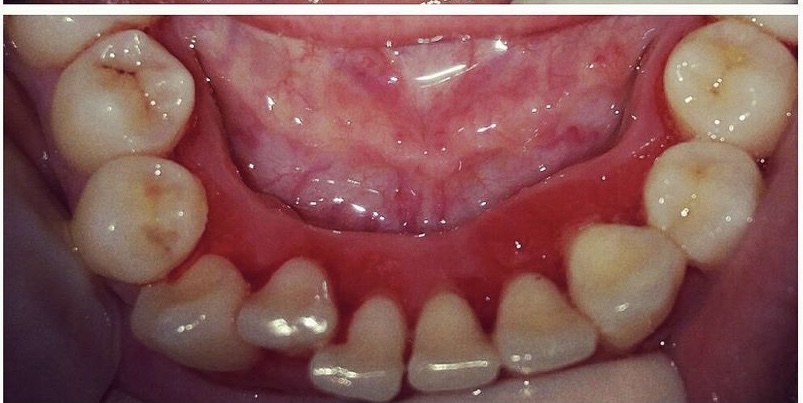
Bleeding contributes to worsening morbidity by the acute toxic state that appears during the 3rd to 5th day of illness following the onset of fever and usually last for 7 days. The most common hemorrhagic manifestation are bleeding nose, skin hemorrhages, scattered petechiae, ecchymoses and gastrointestinal hemorrhages and that included spontaneous bleeding from the gums and a purpuric rash. Most of these cases reported with declining platelet count, a condition knows as for thrombocytopenic purpura with the numbers as low as 2,000. (normal range :150,000 to 400,000).Laboratory tests are positive for immunoglobulin M (IgM) antibodies to the virus. Treatment includes managing fever and dehydration to administration of steroids for up to 10 days and platelet transfusion in the most sever form.
Areas of the world where dengue fever is common, one vaccine (Dengvaxia) is approved for people ages 9 to 45 who have already had dengue fever at least once. The World Health Organization however stresses that the vaccine alone is not an effective tool .In people who have not had dengue fever in the past (seronegative), receiving the vaccine appears to further increase the risk of severe dengue fever.
The disorders of blood or blood forming organs can have a profound effect on gums and bones of the jaw. Ecchymosis and petechiae observed most often in the soft palate area is a sign of an underlying bleeding disorder. Abnormal bleeding from the gums or other areas of the oral mucosa that is difficult to control is an important clinical sign suggesting a hematological disorder. The prompt referral of the patient may save the life of patient and thereby also emphasizes that the dentist can be the first person who can actually diagnose and refer these patients for proper management.
 GAMEFACE